

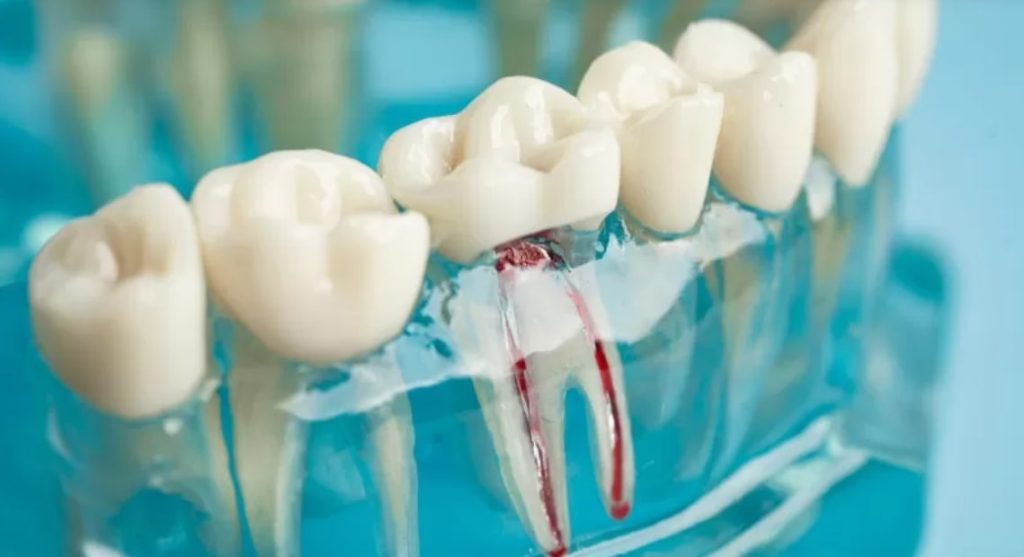
Suppose you recently had a root canal treatment; chances are that you are relieved. The pain that brought you to the dentist chair has vanished, but now the process is not yet complete. The root canal aftercare counts as a huge contributor to your procedure lasting years, or in need of a repair. What then is the prescription when the anaesthetic has worn off?
Here in this blog, is a guide through the eating-wise decision, the suitable period when you should get a crown, and how you can ensure that the tooth does not land back in the risky buffer.
Root Canal Aftercare: It’s Not Just About Brushing
You might think once the procedure is done, you’re in the clear. But root canal healing tips go beyond basic hygiene.
Start by treating the area gently. For the first couple of days, avoid chewing on the treated side. There may still be a temporary filling in place, and putting too much pressure on it could lead to cracks or dislodgement.
Keep the area clean, of course, but don’t aggressively floss or brush the treated tooth until your dentist gives the all-clear. Use a soft-bristled toothbrush, rinse gently, and stick to warm saltwater if your dentist suggests it.
What to Eat After Root Canal: Think Soft and Satisfying
Eating after a root canal is where many patients go wrong. The urge to bite into your favourite crunchy snack might be strong, especially if you’ve been off solid food for a while, but hold off.
In the early stages, stick to foods that are soft, nourishing, and easy on your teeth. Great choices include:
- Mashed potatoes or sweet potatoes
- Scrambled eggs
- Smoothies (no straws—suction can irritate the site)
- Yogurt
- Cooked vegetables
Avoid nuts, chips, hard breads, raw vegetables, or anything that requires forceful chewing. Also, stay away from extremely hot or cold items that could irritate nerves in the surrounding area.
When Should You Get a Crown?
One of the most common questions post-treatment is: What is the perfect dental crown timing?
A root canal removes the infected pulp, but the tooth itself is now more brittle. Without protection, it’s more susceptible to fracture. While back teeth almost always require crowns due to the pressure of chewing, even front teeth may benefit from reinforcement depending on the amount of tooth structure left.
Procrastination is one of the major contributors to root canal failure, so if your dentist advises you to schedule the crown within a certain window, make it a priority.
Avoiding Root Canal Failure: Simple but Essential Steps
Here’s the uncomfortable truth: root canals can fail, even when the original procedure was done well. So, how do you keep yours from becoming part of that statistic?
Start with these basic but powerful steps:
1. Don’t skip the crown
As mentioned earlier, one of the biggest mistakes is not completing the procedure. A crown is often what makes the difference between a lasting restoration and a costly re-treatment.
2. Stay on top of oral hygiene
Even though the nerve is removed, bacteria can still infiltrate through micro-cracks or gaps in the crown if not sealed properly. Floss daily, brush twice a day, and see your dentist regularly.
3. Watch for warning signs
If your tooth becomes sensitive again, if swelling returns, or if you notice pus or a foul taste, don’t wait it out. These are all possible signs of reinfection and could mean the root canal needs to be redone.
Long-Term Protection: Treat It Like a Real Tooth
It’s easy to forget that a root-canaled tooth still needs attention. While it’s no longer alive in the biological sense, its supporting structure and placement still impact your overall dental health. That means brushing, flossing, avoiding bad habits like nail-biting or pen-chewing, and attending those regular checkups.
Investing in a root canal means you’ve taken a big step to save your natural tooth. But saving it doesn’t end in the chair; it continues in your daily habits. Think of your aftercare as insurance: a little effort now goes a long way.
Book a root canal consultation in Dandenong!
Conclusion
Whether a balanced diet during the first week of it or the crowning on time and ensuring long-term practices, everything after a root canal is a matter of balancing and taking proper care. It is really not a matter of saving a tooth but actually a long-term investment.
You may not know the best time to crown, which signs to look out for, or you just want to see that you are healing as one should, then do not rely on guesses.
Book your appointment at Dandenong Dental Care today, and we will ensure that you are more than happy with your investment, smile, and comfort.